Why Running Is the New Trend Among Young Koreans
How running became a lifestyle choice, not just exercise
In Korea (한국, Hanguk), running used to be a solitary workout or a school sports activity. But today, it has transformed into a social and cultural movement among young people. From sunrise runs by the Han River (한강, Hangang) to late-night crew meetups, running is no longer just about fitness—it’s about belonging.
1. The Surge: Young Koreans and the Running Boom
Over the past few years, running has exploded in popularity among people in their 20s and 30s. Weekend marathons are fully booked within minutes, and running events in Seoul (서울, Seoul) sell out fast. Social media is flooded with posts tagged #러닝크루 (running crew) and #서울런 (Seoul run). The boom reflects a deeper shift in how Koreans view health, leisure, and community.
2. Why Now? Post-Pandemic, Health & Social Media Influence
After the COVID-19 pandemic, many Koreans (한국인, Hangukin) began valuing outdoor exercise and mental wellness. Running offered freedom and safe distance at the same time. Platforms like Instagram and YouTube accelerated the trend—sharing “my morning run” became part of daily digital life. Fitness influencers and crew leaders added style and motivation to the movement.
3. The Running Crew Culture: Group Runs & Community Events
Running crews (러닝크루, reoning keuru) are at the heart of this phenomenon. They’re small communities that meet regularly for group runs, workshops, and even social nights. Crews like PRRC Seoul and WeRunCrew have turned running into a network of friendship, collaboration, and city exploration. Each crew has its own identity, from casual joggers to serious marathoners.
4. Style Matters: Running Gear, Instagram Posts & Identity
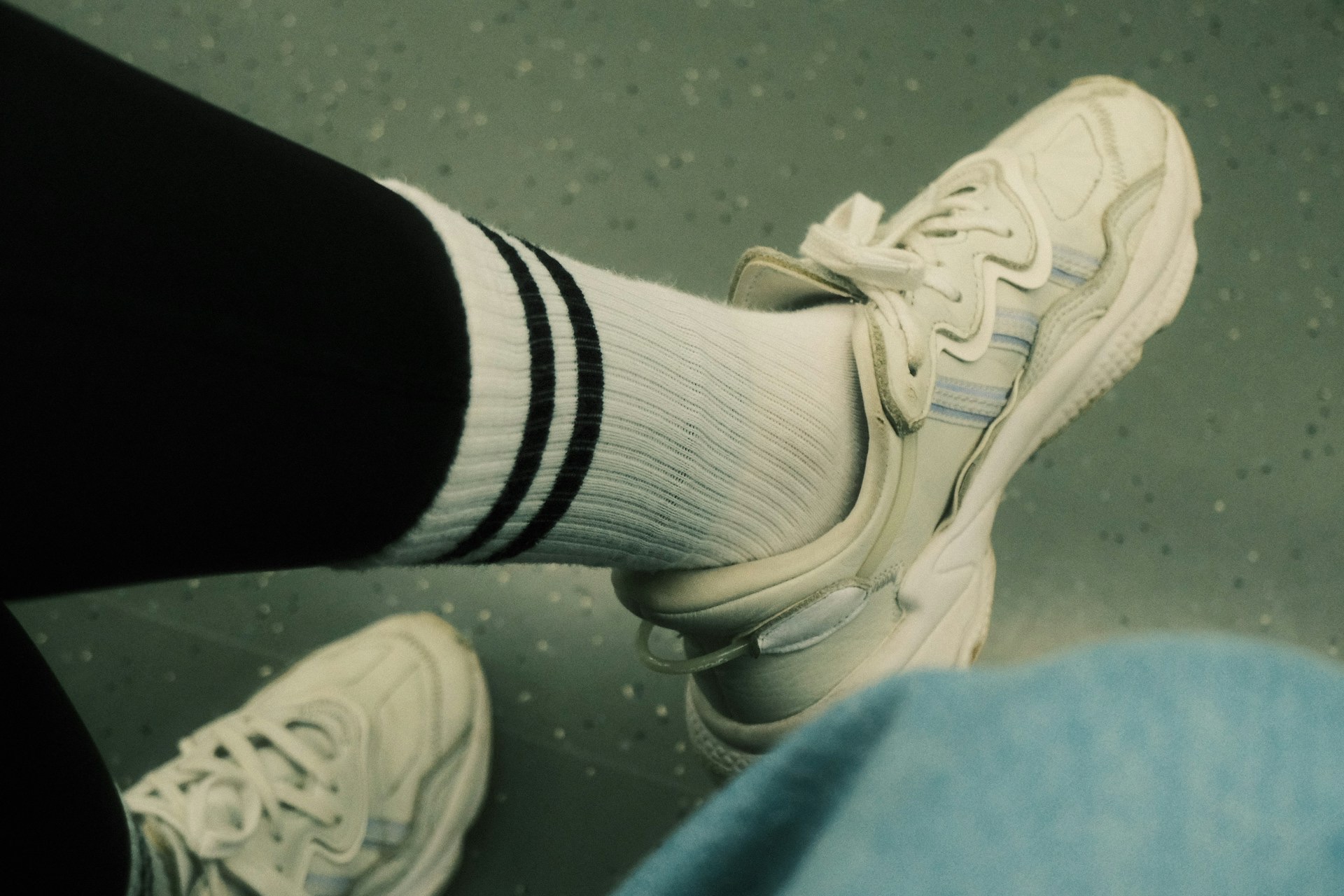
For young Koreans, running is as much about self-expression as it is about health. Running outfits (러닝복, reoningbok) are carefully chosen—Nike, On, and Lululemon lines dominate the streets. Matching shoes, caps, and even wireless earbuds are part of the look. A post-run selfie with Han River lights has become a cultural ritual shared online.
5. From 5K to Marathon: How Young People Set Goals
Most runners start with short distances—like 5 km challenges—then move to 10 km or half marathons. The sense of achievement, community encouragement, and digital badges all push them forward. In Seoul’s popular events, young runners train for months, proudly sharing their journey on social media. It’s not just running—it’s goal-setting in motion.
6. Why It Matters: Impacts on Health, Social Life & Consumption
The running boom reflects a larger shift in lifestyle. Physically, it promotes endurance and reduces stress. Socially, it connects people across jobs and backgrounds. Economically, it’s fueling demand for sportswear, hydration products, and tech gear. The “running economy” in Korea (한국, Hanguk) is thriving—brands now sponsor community runs and pop-up events to reach young consumers.
7. How You Can Join: Tips for Beginners in Korea
If you’re in Korea and want to start running, here’s how:
- Start light: Jog 2–3 km along the Han River (한강, Hangang) or in your local park.
- Join a crew: Search “러닝크루” on Instagram or Naver Café to find a local group.
- Track your progress: Use apps like Nike Run Club or Strava.
- Invest in comfort: Proper shoes make all the difference.
And remember—the best part of running in Korea isn’t just health. It’s being part of a growing community that runs not to escape, but to connect.
Running in Korea has become more than a trend—it’s a symbol of balance between body, mind, and social connection.
Would you join a running crew if you were in Seoul? Share your thoughts in the comments below!
 Tales from Korea
댓글 남기기