7 Ordinary Things Koreans Do That Feel Extraordinary Abroad
(한국인에게 평범하지만, 외국인에게는 놀라운 7가지 일상 행동)
1. Always Saying “Hello” with a Bow or a Smile
Even in small shops or convenience stores, polite greetings are automatic. In Korea (한국, Hanguk), people often bow slightly or smile when saying “안녕하세요 (Annyeonghaseyo).” This everyday politeness can feel formal abroad, but it reflects a deep culture of respect and everyday manners.
2. Leaving Belongings Unattended (and Nobody Touches Them)
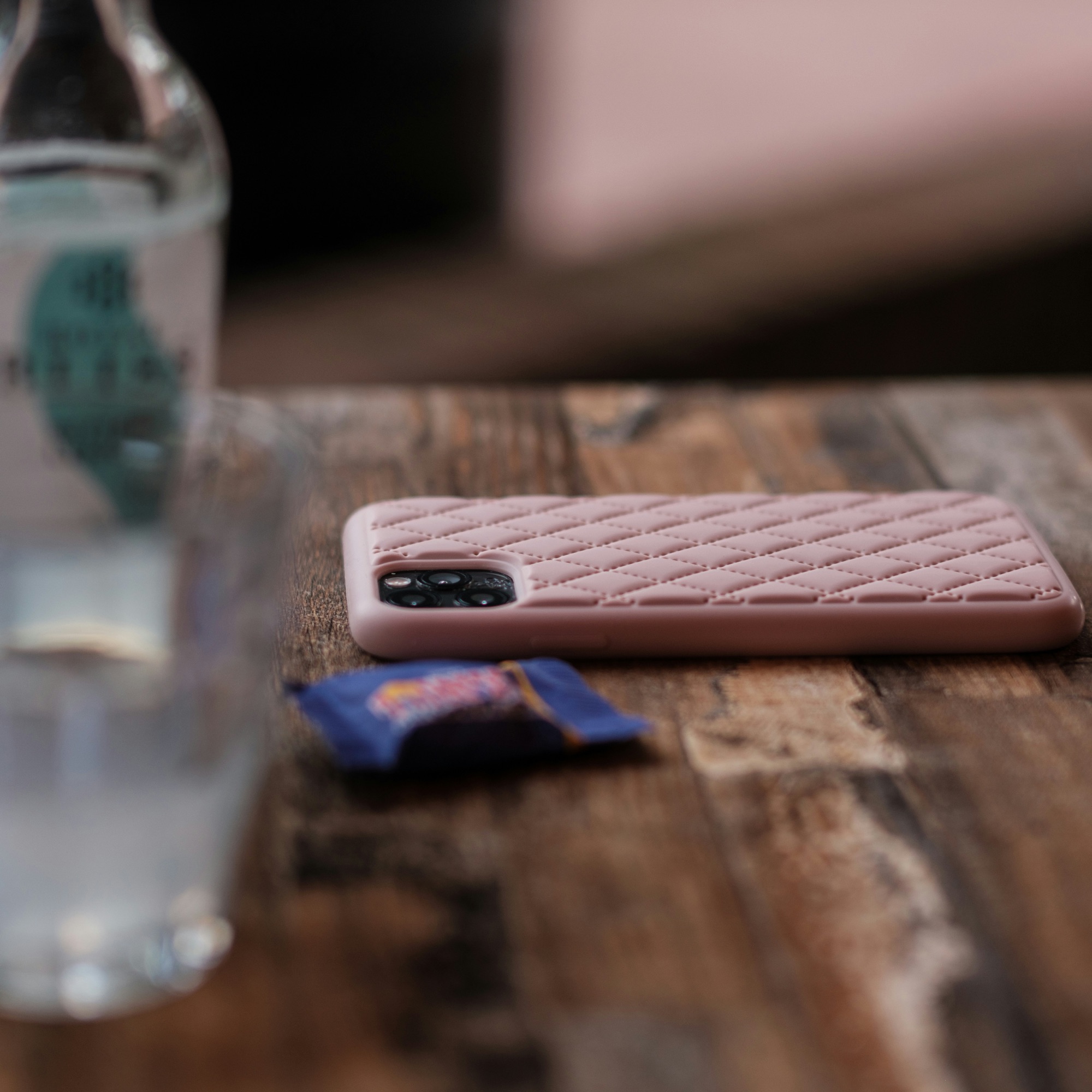
In many countries, leaving your laptop or phone on a café table feels risky. In Korea, people often reserve seats with their bags while ordering coffee. This trust-based habit mirrors strong community ethics and a low theft environment that surprises foreign visitors.
3. Using Phones for Literally Everything
Daily life runs on mobile: transit cards, restaurant orders, parcel lockers, even street-food payments. With apps like KakaoTalk, Naver Pay, or T-Money, Korea’s digital lifestyle shows how convenience and tech culture blend into one seamless routine.
4. Keeping Public Places Spotless
Subways and parks stay remarkably clean, even with few public trash bins. Many people carry their trash home, a quiet example of civic habits and public etiquette. The collective mindset for cleanliness often feels extraordinary to first-time visitors.
5. Being Quiet and Respectful in Shared Spaces
In cafés, subways, or offices, people keep their voices down. Silence is not awkward — it is considerate. This social norm reduces noise stress and creates a calm atmosphere that many foreigners end up appreciating.
6. Taking Off Shoes Indoors (Even in Some Workplaces)
Removing shoes before entering a home is standard in Korea, and some cafés or creative workplaces follow the same tradition. Beyond cleanliness, it symbolizes comfort, respect for shared spaces, and continuity with home culture (집 문화, jip munhwa).
7. Always Saying “Sorry” or “Thank You,” Even for Small Things
“죄송합니다 (Joesonghamnida)” and “감사합니다 (Gamsahamnida)” appear constantly in conversation. Frequent apologies and thanks reflect humility (겸손, gyeomson) and empathy — small words that keep social harmony alive.
💬 What Do You Think?
Do you notice any of these habits when you visit Korea — or maybe you do them now too? Share your favorite Korean everyday habit in the comments below! 😊
• 10 Small Things Koreans Do Every Day That Surprise Foreigners
 Tales from Korea
댓글 남기기